Choose Affordable Food Packaging Solutions
A Guide to Choosing the Best Food Packaging Boxes for Your Retail Business
Picking the right food packaging containers is important for any retail business. The decision-making process includes several factors, including materials, visual design, and environmental considerations. Every element contributes meaningfully in maintaining product integrity and attracting customers. Business owners should consider how these elements match their brand image and customer expectations. Grasping these details can have a significant impact in overall success. What specific criteria should businesses focus on to ensure optimal packaging decisions?
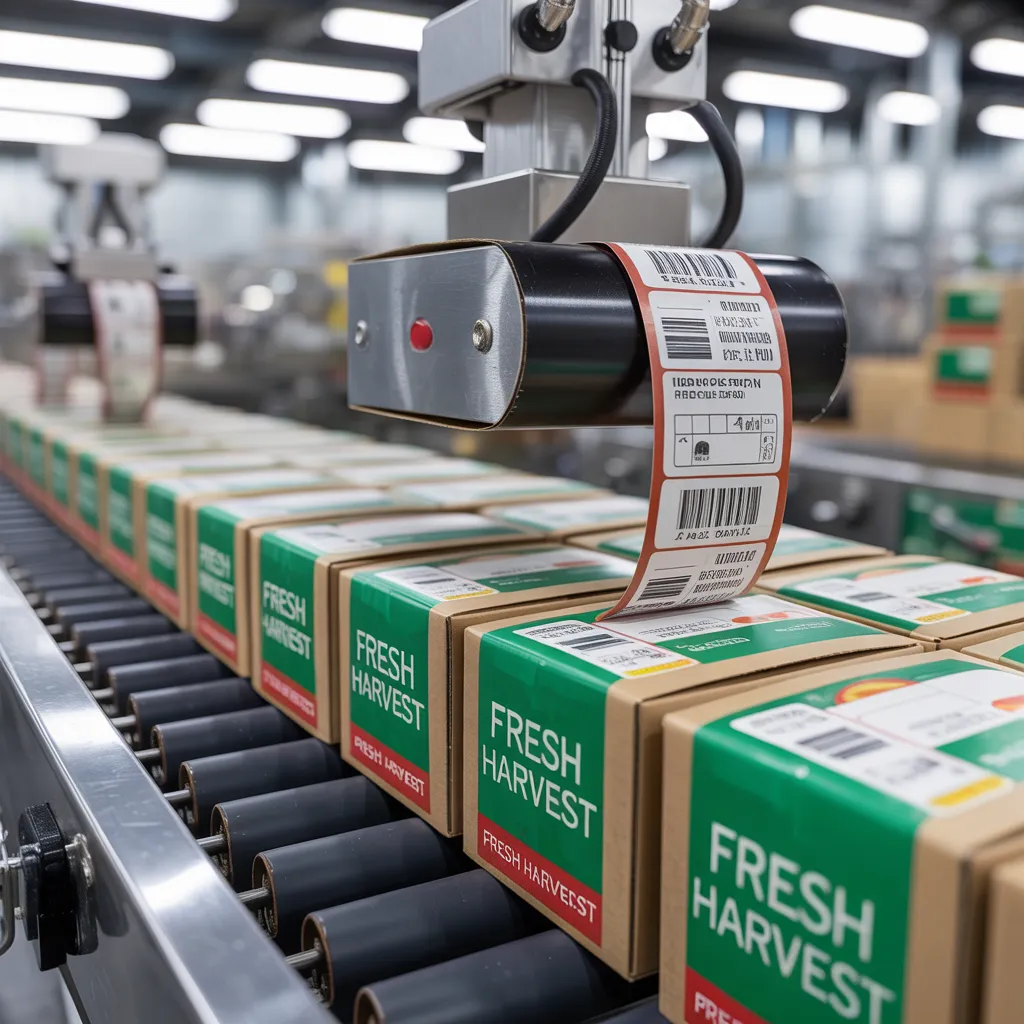
How Food Packaging Impacts Retail Success
Food packaging plays an critical role in the performance of retail operations by shaping how consumers perceive products and make buying choices. Quality packaging functions as a quiet marketing tool, conveying essential details about the item while building a compelling visual impression. It captures attention on crowded shelves and can differentiate a product from competitors.
Furthermore, packaging provides consumers assurance of product quality and safety, which is fundamental in the food industry. Precise labeling, attractive designs, and environmentally responsible materials can strengthen brand loyalty and encourage repeat purchases. In addition, well-planned packaging can communicate the brand's principles and identity, creating a stronger connection with the audience.
As e-commerce continues to grow, packaging plays a vital role in guaranteeing products reach customers undamaged and maintain their appeal, impacting online reviews and buyer experience. In the end, well-designed packaging is a key factor in increasing revenue and supporting sustained retail achievement.
Critical Materials Used in Food Packaging
Choosing the right materials for food packaging is essential for preserving product integrity and ensuring safety. Different materials perform distinct purposes, influencing both preservation and the customer experience. Commonly used options include paperboard, which provides durability and recyclability, positioning it as an eco-friendly option. Plastic, particularly PET and HDPE, offers excellent barrier properties, shielding food from moisture and contamination. Glass containers are favored for their inert nature, maintaining flavor and preventing chemical interactions.
Metallic packaging solutions, such as metal cans, proves excellent for extending shelf life, particularly for perishable products. Furthermore, eco-friendly and compostable materials are growing in demand, reinforcing green initiatives. Each packaging material's cost, availability, and compatibility with particular food categories must be considered. Ultimately, identifying the ideal packaging material not only preserves food quality but also showcases an organization's focus on sustainable practices and safety.
How to Design Packaging That Attracts Customers
Effective packaging design plays a pivotal role in attracting customers and enhancing brand visibility. In order to reach this objective, businesses must focus on several key elements. To begin with, the choice of color is crucial; bold colors can stir emotions and attract attention, whereas softer hues can communicate elegance. Furthermore, font choices should be clean and easy to read, guaranteeing that brand titles and product descriptions are instantly recognizable at first sight.
Incorporating unique shapes or structures can also set a product apart on competitive store shelves, creating a memorable experience for buyers. In addition, images that capture the product's value or background can further entice customers. To conclude, incorporating a storytelling element or brand narrative on the packaging fosters a deeper connection with the target audience, encouraging engagement and loyalty. Through carefully merging these components, enterprises can design packaging that not only gains visibility but also supports their brand recognition.
Sustainable Methods in Food Packaging: The Reasons They Matter
As more consumers place greater emphasis on environmental responsibility, the value of sustainable practices in food packaging remains critically important. Retail companies are acknowledging the necessity of adopting eco-friendly materials that help reduce waste and lower their carbon footprint. Green packaging alternatives, such as biodegradable, compostable, or recyclable materials, not only resonate with environmentally mindful consumers but also boost brand reputation.
Integrating eco-friendly measures cultivates transparency and accountability, empowering businesses to connect with the values of their target market. In addition, governing policies are shifting towards tighter ecological standards, rendering it necessary for companies to integrate eco-friendly packaging alternatives.
Investing in eco-friendly methods can lead to long-term economic advantages, as organizations may minimize disposal costs and boost overall performance. Ultimately, integrating eco-conscious approaches to food packaging is not just an ethical choice; it is a strategic move that establishes businesses competitively in an increasingly eco-aware marketplace.
Finding the Right Balance Between Cost and Quality in Packaging
Within the retail food sector, balancing cost and quality in packaging is vital to achieving success. Enterprises must thoughtfully consider material alternatives to secure product durability while also considering cost-effective design strategies that draw in buyers. This balance can notably impact both profit margins and brand image.
Analyzing Material Selections
Identifying the right option for food packaging boxes necessitates a detailed assessment of both quality and cost. Several options, such as biodegradable options, cardboard, and plastic, offer unique advantages and drawbacks. Corrugated cardboard is commonly affordable and environmentally friendly, establishing it as a popular option among vendors. That said, its strength may occasionally fail to meet the demands of particular perishables. Plastic provides outstanding protection against moisture and can extend shelf life, but its effect on the environment raises challenges. Sustainable materials, while often pricier, support environmental objectives and appeal to eco-conscious consumers. In the end, the evaluation process should balance these factors, ensuring the chosen material preserves the goods while also addressing brand values and budget constraints.
Affordable Design Techniques
Maintaining a balance between expenses and standards in the design of food packaging demands thoughtful strategy and creative approaches. Retail businesses should look into using consistent packaging formats to decrease production expenditures while optimizing the use of resources. read the facts Employing straightforward yet attractive designs can enhance brand visibility without incurring high expenses. Furthermore, choosing flexible materials supports a variety of packaging needs, reducing waste while optimizing resource use. Working with vendors to investigate bulk buying opportunities can additionally reduce expenses. Finally, incorporating sustainable practices, such as sustainable or decomposable materials, not only appeals to environmentally-conscious consumers but can also result in lasting financial benefits. By adopting these budget-friendly approaches, retailers can develop packaging that upholds quality while staying cost-efficient.
Analyzing Packaging Solutions: Critical Questions to Explore
What is the best way for a retail business to select the appropriate food packaging boxes? Assessing packaging choices involves thoughtful reflection on a number of important questions. First, businesses should assess the material's suitability for the food type being packaged. Does it meet food safety standards while also maintaining product freshness? Furthermore, attention should be given to the design—does it complement the brand's visual identity while also serving a functional purpose for consumers?
Cost is an additional crucial factor. Can the business maintain quality while staying within budget? Additionally, businesses should assess the packaging's environmental impact. Do eco-conscious alternatives exist that minimize environmental harm?
Finally، the logistics of storage and transportation must not be ignored. Is the packaging designed to withstand storage and transportation without being damaged? Through examining these considerations, retailers can arrive at educated conclusions that enhance product appeal and guarantee customer satisfaction.
Common Questions and Answers
What Are the Common Food Packaging Regulations I Should Know?
Typical food packaging standards encompass adherence to safety standards, labeling mandates, material safety, and environmental directives. Moreover, businesses need to confirm that packaging guards against contamination and maintains product integrity throughout its shelf life.
What Are the Ways to Test Packaging Durability for My Products?
To test packaging durability, one must carry out compression tests, drop tests, and moisture resistance assessments. Observing how packaging withstands various environmental conditions and handling will yield important knowledge about its overall resilience and trustworthiness in safeguarding products.
Can I Customize Packaging for Seasonal Promotions?
Certainly, packaging is customizable for seasonal promotions. Organizations regularly develop distinctive colors, graphics, and materials that match the seasonal theme, boosting visual appeal while effectively communicating the marketing message to engage customers during key seasonal events.
What Are the Top Best Practices for Packaging Food for Delivery?
Successful food packaging for delivery requires using sturdy, insulated materials to maintain temperature, guaranteeing leak-resistant designs, and adding clear labeling for ingredients and handling guidelines. Furthermore, sustainable options improve customer satisfaction and environmental accountability.
How Should I Deal With Packaging Waste in My Business?
To address packaging waste effectively, businesses should implement recycling programs, use eco-friendly materials, and motivate customers to send back packaging. Routine assessments can also uncover opportunities to minimize waste, cultivating a more environmentally responsible way of operating.